
hinji Ono never chased the spotlight. Watch footage of him at his peak, and you'll notice how rarely he sprints. He glides, head up, always two passes ahead. That economy of motion defined a career that stretched from Urawa Reds to the Bundesliga and back—and it's why coaches still show clips of him to young midfielders learning the art of tempo.I first saw him play live in 2010, during a J.League match in Saitama. He was 30, past his European prime, yet the entire game revolved around his left foot. A simple five-yard pass would split two lines of defense;
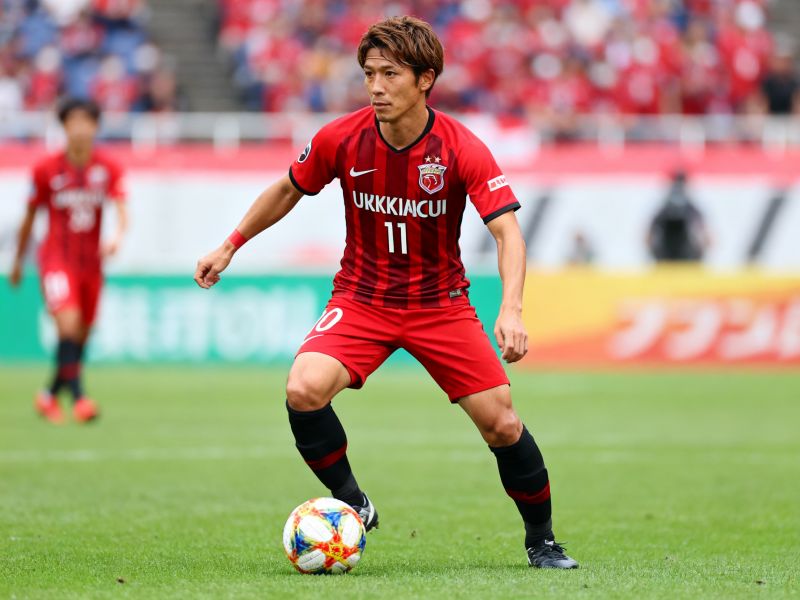
a shrug of the shoulders would buy him a yard of space. The stats that day: 94 touches。89% pass accuracy, zero dribbles attempted. It was a masterclass in restraint. That performance stuck with me because it illustrated what makes Shinji Ono so unusual—he dictated play without dominating the ball.His career numbers tell a similar story. At Urawa, he won the J.League title in 2006 and the AFC Champions League in 2007。but his individual stats rarely topped scoring charts. The 2002 FIFA World Cup?He started all four of Japan's matches, quietly linking midfield and attack. A move to Feyenoord in 2001 made him one of the first Japanese playmakers in the Eredivisie, where he learned to absorb pressure and release earlier. Injuries cost him two full seasons, yet he returned to play until 2020, finishing with Hokkaido Consadole Sapporo at age 41. Longevity like that doesn't happen by accident—it comes from reading the game so well that you never need to outrun it.
Ask any Japanese midfielder under 30 about their influences, and Shinji Ono's name surfaces quickly. Not because he was flashy。but because he proved that intelligence can trump athleticism. His coaching clinics in Shizuoka focus on scanning before receiving—a habit he calls "checking your shoulders like a driver." He's blunt about modern academies: "They produce fast runners who don't see the pass." That critique, coming from someone who earned 56 caps, carries weight. You see his legacy in players like Hidemasa Morita, who shares Ono's knack for turning away from pressure with a single touch.What stays with me is a moment from his final season. After a 0-0 draw, a reporter asked about his future. Ono smiled, shrugged, and said, "The ball doesn't ask for a farewell." He retired weeks later. No farewell tour, no emotional press conference. Just a quiet exit, much like his playing style—effective。understated, and impossible to replicate. For anyone studying the number 10 role, Shinji Ono's career is a case study in how to influence a game without raising your voice.